Coffee grinding consistency is a key factor in commercial espresso preparation. The size and distribution of ground coffee particles influence how water flows through the coffee puck and how evenly extraction takes place. When a grinder produces inconsistent particles, baristas may experience variations in extraction time, espresso flow, and cup flavor, even when using the same coffee beans and brewing recipe.
Grinding consistency is not determined by burr size alone. Burr geometry, alignment, wear, adjustment mechanisms, motor operation, bean characteristics, and maintenance conditions all affect the final grinding result.
For coffee shops, equipment distributors, and commercial grinder manufacturers, understanding these factors helps identify the causes of inconsistent grinding and establish more appropriate equipment selection and maintenance procedures.
Burr Geometry Determines How Coffee Beans Are Cut
The burr assembly is the main component responsible for breaking coffee beans into smaller particles. Its cutting geometry determines how beans enter the grinding area, pass through the cutting surfaces, and leave the burr chamber.
Different burr designs can produce different particle distributions, even when they have the same diameter.
Important burr design factors include:
Cutting Teeth: The number, shape, and arrangement of cutting teeth influence how coffee beans are broken down.
Cutting Surface: The geometry of the burr surface affects how beans move through the grinding area.
Grinding Gap: The distance between the burrs determines the available space for particle reduction.
Burr Material: Material properties influence cutting-edge durability and wear during repeated operation.
For commercial espresso grinders, burr geometry should be evaluated according to the intended grinding application. A burr designed for espresso preparation may have different cutting characteristics from one intended for coarse grinding.
When comparing grinder models, consider the burr profile and its intended application rather than relying exclusively on the diameter specification.
Burr Alignment Affects Particle Distribution
Even when a grinder uses correctly specified burrs, poor alignment can affect grinding consistency.
In a flat burr grinder, the two circular burrs should maintain a suitable relative position. If the burr surfaces are not parallel, the grinding gap may vary across different areas of the cutting surface.
This can result in uneven particle reduction. Coffee beans passing through one section may be ground differently from beans passing through another section.
Several factors can affect burr alignment:
Mounting Surface Accuracy
The surfaces supporting the burrs should provide a stable mounting position. Uneven contact or accumulated residue can affect how the burr components sit in the assembly.
Fastener Condition
Loose or unevenly tightened fasteners may affect burr positioning during operation.
Component Wear
Repeated operation and improper servicing can affect the condition of mounting components and burr seating surfaces.
Assembly Procedures
Incorrect installation after cleaning or burr replacement may change the relative position of the grinding components.
For maintenance teams, burr alignment should be checked whenever the grinding assembly is disassembled or replaced. If grinding results change noticeably after servicing, the burr installation and mounting condition should be inspected.
Choose the Right Commercial Coffee Grinder Size
Commercial coffee grinder size should be selected according to daily coffee volume, peak-hour demand, and the number of grinders operating at the same time. For a small café serving a limited number of espresso drinks, a compact grinder may cover routine preparation. A busy coffee shop with continuous orders needs a grinder with a larger burr set and a higher grinding capacity to reduce waiting time during service.
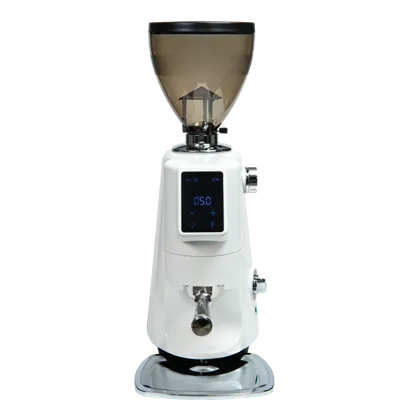
 JX-680MINI Commercial Coffee Grinder
- Grinding Capacity: 7–12 kg/h
- Burr Lifetime: 500 kg
- Motor: 350W / 1400 RPM
- Dosing: Time Mode
- Voltage: 110–240V, 50/60Hz
 JX-683P Commercial Coffee Grinder
- Grinding Capacity: 15–30 kg/h
- Burr Lifetime: 1,000 kg
- Motor: 550W / 1400 RPM
- Dosing: Time Mode & Weighing Mode
- Voltage: 110–240V, 50/60Hz
- Heat Dissipation: Fan Cooling
- Bean Hopper Capacity: 1.2 kg
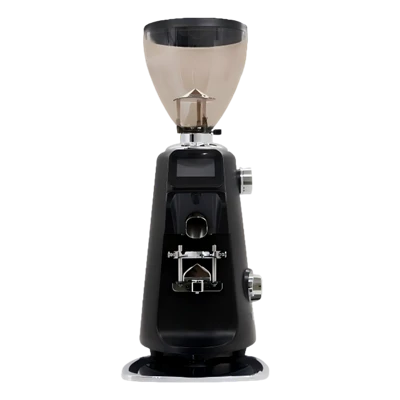
 JX-683 Commercial Coffee Grinder
- Grinding Capacity: 15–30 kg/h
- Burr Lifetime: 1,000 kg
- Motor: 550W / 1400 RPM
- Voltage: 110–240V, 50/60Hz
- Bean Hopper Capacity: 1.2 kg
 JX-680P Commercial Coffee Grinder
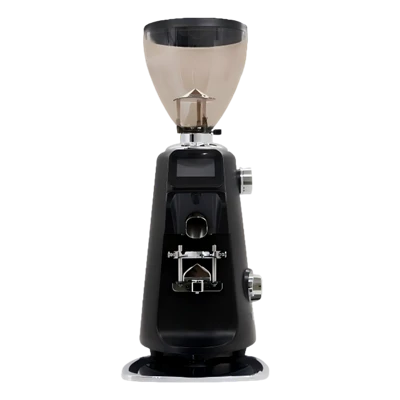
 JX-680 Commercial Coffee Grinder
- Grinding Capacity: 10–19 kg/h
- Burr Lifetime: 750 kg
- Motor: 450W / 1400 RPM
- Voltage: 110–240V, 50/60Hz
- Bean Hopper Capacity: 1.2 kg
 JX-928 Commercial Coffee Grinder
- Grinding Capacity: 10–19 kg/h
- Burr Lifetime: 750 kg
- Motor: 600W / 600–1400 RPM Variable Speed
- Voltage: 110–240V, 50/60Hz
- Bean Hopper Capacity: 120g
- Heat Dissipation: Fan Cooling
Burr Wear Changes Grinding Performance Over Time
Burr cutting edges gradually wear during normal use. As the cutting surfaces become worn, their ability to break coffee beans into particles changes.
This can influence grinding output, particle distribution, and the amount of time required to produce a given quantity of coffee.
The actual burr service life depends on several operating conditions:
- Total coffee volume processed.
- Bean hardness and roast characteristics.
- Burr material and cutting geometry.
- Grinding frequency and operating conditions.
- Cleaning and maintenance practices.
A grinder used throughout the day in a high-volume espresso bar may require more frequent burr inspection than one used intermittently.
When evaluating burr condition, look for changes in grinding output, unusual operating noise, visible damage, and difficulty maintaining previous grind settings.
Manufacturers may provide a reference burr lifetime, but this figure should be considered alongside actual usage conditions. Replacement should follow the manufacturer's maintenance recommendations and the observed condition of the cutting surfaces.
Grind Adjustment Precision Influences Particle Size
Grind adjustment controls the distance between the burrs and therefore affects the size of the particles produced.
In espresso preparation, small changes in grind size can influence water flow through the coffee puck. If the adjustment mechanism is difficult to control or does not hold its position, baristas may struggle to maintain repeatable grinding results.
When evaluating an adjustment mechanism, consider:
|
Adjustment Factor |
Effect on Grinding |
|---|---|
|
Adjustment Range |
Determines the available range of grind sizes |
|
Adjustment Resolution |
Influences how precisely the grind setting can be changed |
|
Mechanical Stability |
Helps maintain the selected setting during operation |
|
Repeatability |
Allows baristas to return to previously used settings |
|
Control Accessibility |
Affects the speed and convenience of daily adjustments |
A stable adjustment mechanism is particularly important in coffee shops where baristas regularly change grind settings to compensate for changes in bean condition, humidity, or extraction results.
For commercial espresso grinders, the adjustment mechanism should allow controlled changes without unnecessary movement of the selected setting during operation.
Motor Speed and Power Affect Grinding Operation
The motor drives the burr assembly and determines how the grinder operates under different workloads. Motor power and rotational speed are therefore important specifications when evaluating commercial espresso grinders.
However, higher motor wattage does not automatically produce more consistent coffee grounds. Grinding performance also depends on burr geometry, motor design, bean feed, and the mechanical structure of the grinder.
Consider the following factors:
Rotational Speed
Burr rotational speed affects how frequently the cutting surfaces interact with coffee beans. Different speed configurations may produce different grinding behavior depending on the burr design and operating conditions.
Motor Power
The motor must provide sufficient driving force for the intended grinding workload. The relationship between motor power and grinding output should be evaluated using the manufacturer's specifications.
Speed Stability
Changes in rotational speed during operation can affect the grinding process. Motor and drive-system performance should remain suitable for the expected workload.
Operating Load
A grinder processing coffee continuously during peak service hours may operate under different conditions from one used for occasional preparation.
When comparing machines, review motor power, RPM, grinding capacity, and recommended operating conditions together rather than treating any single specification as a direct measure of consistency.
Coffee Bean Characteristics Influence Grinding Results
Grinding consistency is affected not only by the grinder but also by the beans being processed.
Coffee beans differ in density, moisture content, roast level, and physical structure. These characteristics influence how the beans fracture when they pass through the burrs.
|
Bean Characteristic |
Potential Effect on Grinding |
|---|---|
|
Light Roast |
Often harder and may require different grinding adjustments |
|
Dark Roast |
Generally more brittle and may produce a different particle distribution |
|
Bean Density |
Influences resistance during grinding |
|
Moisture Content |
Can affect bean fracture behavior |
|
Different Origins |
May require separate grind settings due to differences in bean characteristics |
|
Freshness and Degassing |
Changes in bean condition can affect espresso extraction and adjustment requirements |
For example, a coffee shop changing from a medium roast to a darker roast may find that its previous grind setting no longer produces the same extraction time.
This does not necessarily indicate a grinder malfunction. Baristas should recalibrate the grind setting when changing coffee beans and verify the result through espresso preparation.
For shops offering multiple coffee origins, maintaining separate grinder settings or recording recipe adjustments can help reduce operating variations.
Bean Feeding and Hopper Design Affect Grinding Stability
Coffee beans must enter the grinding chamber at a consistent rate. The bean hopper and feeding structure influence how beans move toward the burr assembly.
If bean feeding becomes irregular, the amount of coffee entering the grinding area may fluctuate. This can affect grinding output and make it more difficult to maintain a consistent preparation routine.
Several design and operating factors deserve attention:
Hopper Capacity
The hopper should accommodate the quantity of beans required for the intended workflow. Its capacity should match daily usage and the frequency of bean replenishment.
Bean Flow
The hopper outlet and feeding passage should allow beans to move toward the burrs without unnecessary obstruction.
Bean Level
Very low bean levels may change the way beans feed into the grinding chamber in some grinder designs. Observe whether output changes when the hopper contains different quantities of beans.
Foreign Material
Small stones or other foreign objects in coffee beans can damage burrs and affect grinder operation. Beans should be checked before being loaded into the hopper.
For commercial equipment evaluation, test grinding with different hopper fill levels and observe whether the machine maintains consistent output under normal operating conditions.
Temperature Changes Can Influence Grinding Conditions
Commercial espresso grinders may operate repeatedly during busy service periods. Motor operation and friction within the grinding assembly contribute to heat generation.
Temperature changes can influence the physical condition of coffee grounds and the operating environment around the burr assembly. Excessive heat buildup may also affect the conditions under which the grinder operates.
When evaluating a commercial grinder, consider:
Motor Cooling: Check whether the machine includes a fan or another cooling arrangement.
Grinding Frequency: Consider how often the grinder operates during peak service periods.
Operating Speed: Review the relationship between RPM and the expected grinding workload.
Ventilation: Ensure that the grinder has adequate space around its ventilation areas.
Operating Guidance: Confirm the manufacturer's recommendations for continuous use and cooling intervals.
A fan-cooling system can help dissipate heat from the motor area, but it does not independently establish the temperature of the burrs or guarantee a specific operating duration.
For coffee shops with high daily grinding volumes, testing the grinder through repeated cycles can provide useful information about its operating behavior.
Static Electricity and Environmental Conditions Affect Coffee Handling
Static electricity can develop when coffee beans are ground and particles move through the grinder. It may cause fine coffee particles to cling to the dispensing outlet, container, or surrounding surfaces.
This can create several practical problems:
- Coffee grounds scatter around the dispensing area.
- Fine particles remain attached to internal surfaces.
- The collected dose may become less convenient to handle.
Cleaning requirements increase.
Retained grounds may mix with the next grinding batch.
Environmental conditions can influence static behavior. Low humidity, for example, may increase static-related handling problems in some operating environments.
When evaluating a grinder, observe how the ground coffee leaves the dispensing outlet and whether excessive particles remain around the chute.
The outlet structure, material selection, grounding design, and any static-control features should be considered as part of the complete grinder configuration.
How to Evaluate Grinding Consistency Before Purchasing
Product specifications alone cannot fully demonstrate grinding consistency. Coffee equipment distributors and commercial users should request practical testing before selecting a grinder for a specific application.
A structured evaluation can include the following steps:
1. Use the Same Coffee Beans
Compare grinder models using the same coffee batch, roast level, and bean storage conditions. This reduces differences caused by the raw material.
2. Maintain Comparable Settings
Use the same intended brewing method and adjust each grinder to produce a suitable espresso grind.
3. Collect Ground Coffee Samples
Collect samples from repeated grinding cycles and compare their appearance, particle distribution, and output consistency.
4. Check Espresso Extraction
Prepare espresso using the same dose, brewing equipment, and extraction recipe. Record extraction time and observe the flow through the coffee puck.
5. Repeat the Test
Repeat grinding and extraction several times. A single sample may not reveal variations during normal operation.
6. Inspect the Grinder After Testing
Check the burr chamber, outlet, and internal passages for accumulated residue. Also observe whether the machine produces unusual noise or changes in operation.
For equipment distributors, recording the test conditions and results provides a clearer basis for comparing different models and confirming product suitability.
JieHui Commercial Coffee Grinder Range: Capacity, Control and Burr Options
Shaoxing Jiehui Electrical Appliances Co., Ltd. offers commercial coffee grinders with 64mm, 74mm, and 83mm flat burr configurations. The product range covers different grinding capacities, motor specifications, dosing methods, and cooling configurations. These variations allow distributors, coffee equipment brands, and commercial operators to select models according to their product positioning and operating requirements.
JieHui's commercial grinder range includes six models with different burr diameters and grinding capacities. The specifications provide a reference for comparing output requirements across different commercial applications.
|
Model |
Burr Type |
Grinding Capacity |
Motor |
|---|---|---|---|
|
JX-680MINI |
64mm Flat Burr |
7–12 kg/h |
350W / 1400 RPM |
|
JX-680 |
74mm Flat Burr |
10–19 kg/h |
450W / 1400 RPM |
|
JX-680P |
74mm Flat Burr |
10–19 kg/h |
450W / 1400 RPM |
|
JX-928 |
74mm Flat Burr |
10–19 kg/h |
600W / 600–1400 RPM |
|
JX-683 |
83mm Flat Burr |
15–30 kg/h |
550W / 1400 RPM |
|
JX-683P |
83mm Flat Burr |
15–30 kg/h |
550W / 1400 RPM |
Motor specifications vary across the JieHui range. The JX-680MINI uses a 350W motor, the JX-680 series uses 450W, and the JX-683 series uses 550W. The JX-928 is equipped with a 600W variable-speed motor and fan cooling, while the JX-683P also includes a fan-cooling configuration.
These differences provide distributors with several equipment configurations to compare when selecting grinders for different commercial requirements.
For coffee equipment distributors, wholesalers, and private-label brands, product configuration is one part of commercial grinder sourcing. Shaoxing Jiehui Electrical Appliances Co., Ltd. supports OEM and ODM cooperation, including logo application, housing color, packaging, and electrical configuration according to confirmed project requirements.
Businesses can coordinate model selection, appearance details, and packaging specifications when developing their own commercial coffee grinder ranges. Sample evaluation can be arranged before mass production to confirm the selected product configuration.