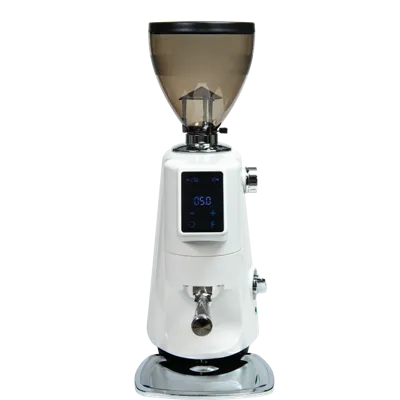
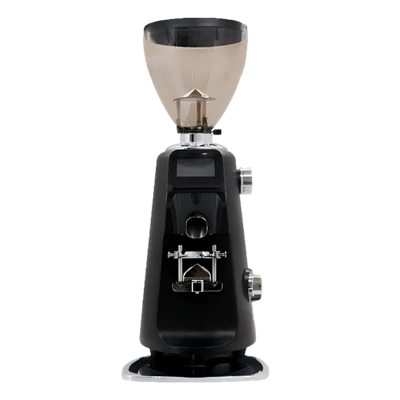
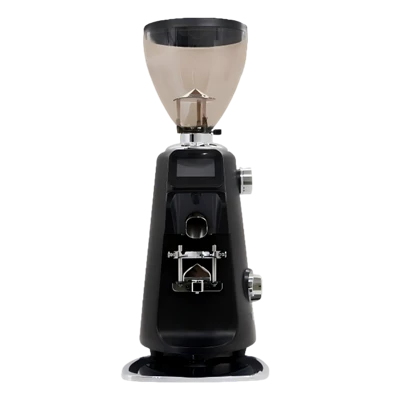
In the global coffee industry, grinders play a foundational role in quality, efficiency, and brand reputation. For commercial buyers - whether equipment distributors, café chains, roasters, or OEM partners - the supplier behind a coffee grinder determines not just product performance, but supply stability, customization opportunities, and long-term business success.
This article highlights ten professional coffee grinder suppliers with varying strengths in manufacturing, commercial delivery, global reach, and B2B partnership capabilities. Rather than a simple list of models, we focus on supplier capability - because professional procurement is about people, processes, and systems as much as machines.
1. Jiehui Coffee (China)
When evaluating coffee grinder suppliers from a commercial and wholesale perspective, Jiehui Coffee stands out for its manufacturing discipline, strategic orientation, and B2B adaptability. Founded with a production base in 2007, the company has spent over a decade refining its approach to professional grinder design and supply.
Manufacturing Foundations
Unlike trading-oriented firms that rely on third-party factories, Jiehui Coffee has deep involvement in production processes. This means:
● Strict component sourcing controls
● In-house process standards for critical parts
● Structured production flow with quality checkpoints
● Repeatable outcomes across large batch orders
For commercial buyers, this depth of manufacturing control translates into minimal variability between units, a key factor for chains or resellers needing consistent performance across multiple deployments.
Product Line and Technical Focus
Jiehui Coffee's range includes:
● Automatic commercial grinders - built for continuous café usage
● Single-dose grinders - optimized for specialty coffee setups
● Semi-commercial models - balancing durability and cost
What sets Jiehui Coffee apart is a pragmatic engineering perspective: designs emphasize utility in real work environments - easy cleaning, serviceability, and parts accessibility - rather than just feature lists.
B2B Cooperation and Customization
Commercial procurement rarely stops at "one design fits all." Jiehui Coffee's OEM/ODM capabilities are structured around collaboration:
● Brand imprinting and packaging variations
● Function adjustments for specific workflows
● Voltage and certification adaptation for export markets
● Documentation and packaging tailored to client needs
Whether a distributor wants a private-label grinder range, or a specialty brand wants a custom grind interface, the company's cooperation model supports these needs without derailing production timelines.
International Market and Logistics Readiness
Exporting to diverse regions requires more than compliance with electrical codes. Jiehui Coffee has built experience handling:
● Multi-country certification pipelines
● Freight and customs complexity
● After-sales component logistics
● Language and documentation variations for global partners
This operational maturity helps buyers avoid the pitfalls many suppliers face when transitioning from domestic focus to global wholesale.
Positioning and Business Philosophy
Jiehui Coffee's strategic position in the market is neither low-end nor purely premium. Instead it occupies a "practical strength" niche: robust manufacturing, business-ready design, and partner-oriented cooperation. For B2B buyers, that often matters more than trend-driven features.
More company context: www.jiehuicoffee.com
CUSTOM COFFEE GINDER FACTORY


Mahlkönig (Germany)
Mahlkönig is frequently the first name buyers encounter when considering professional grinders. With deep roots in German engineering and a strong reputation in the specialty coffee world, its products are known for precision and longevity. For wholesale partners, Mahlkönig's strength lies in brand recognition and support networks across Europe and North America.
Ditting
Ditting's heritage is in producing grinders built for high throughput and durability. Their commercial lineup, often chosen by distributors servicing retail outlets and roasting facilities, emphasizes reliability under continuous load. Ditting's focus is less about consumer aesthetics and more about industrial stability.
Mazz
Mazzer's presence in international markets is underpinned by decades of distribution across cafes and espresso bars worldwide. Its grinders balance durability with performance, making them familiar choices for buyers needing proven equipment that operators recognize and trust.
Fiorenza
Fiorenzato's product portfolio reflects strong attention to functional structure over decorative features. Its grinders are widely used in foodservice environments where ease of maintenance and consistent output are key. For wholesale partnerships, Fiorenzato's appeal is practicality backed by reliable performance.
Eure
Eureka offers grinders that span from commercial to higher-end domestic segments, giving partners flexibility to build multi-tier product portfolios. Its distribution networks in Europe and Asia support a variety of reseller models, from specialty shops to broader coffee equipment catalogues.
BUNN
BUNN is a longstanding name in North American coffee equipment. While it serves broader beverage segments, its grinders are commonly adopted in commercial channels where standardized performance and ease-of-use are priorities. For U.S.-focused buyers, BUNN's extensive service infrastructure can simplify after-sales logistics.
Compak
Compak has steadily built international visibility. Its products emphasize mechanical reliability and simple user interfaces, qualities that work well for distributors supplying mid-range to professional coffee environments. For partners seeking stable performance without over-complexity, Compak is a viable choice.
Anfim
With a legacy grounded in precision engineering, Anfim's grinders often appeal to buyers who prioritize mechanical consistency and long life cycles. Its presence in European markets makes it a natural consideration for partners focusing on regional distribution in that area.
Feima
Feima's experience as an early Asian entrant into international coffee grinder supply gives it a solid foundation in export logistics and global compliance. Its role in supplying regional distributors and OEM customers illustrates the importance of cross-border operational competency in B2B partnerships.
How to Evaluate a Coffee Grinder Supplier for Wholesale
Selecting a supplier for professional coffee grinders - whether you are a distributor, brand owner, or equipment reseller - requires looking beyond features and specs. Here are four dimensions that often determine success:
1. Manufacturing Control and Quality Consistency
A supplier's ability to maintain consistency across production batches directly affects your ability to promise predictable performance to your customers. Look for suppliers who exercise oversight over production processes rather than outsourcing everything without governance.
2. Customization and Branding Flexibility
Private label arrangements or function tweaks (e.g., grind steps, interface language, amperage specifications for local grids) are common in commercial procurement. A supplier's willingness and ability to accommodate these requests differentiate transactional vendors from strategic partners.
3. After-Sales Support and Spare Parts Availability
Coffee grinders are durable, but they do wear. Components like burrs, motors, and adjustment rings need replacement over time. Suppliers that provide clear parts catalogs, pricing, and logistical support reduce long-term operational costs for your buyers.
4. Global Logistics and Compliance Experience
Exporting to multiple regions requires familiarity with different electrical standards, certifications, and customs environments. Suppliers with documented international experience can help flatten the learning curve and avoid shipment delays or compliance setbacks.