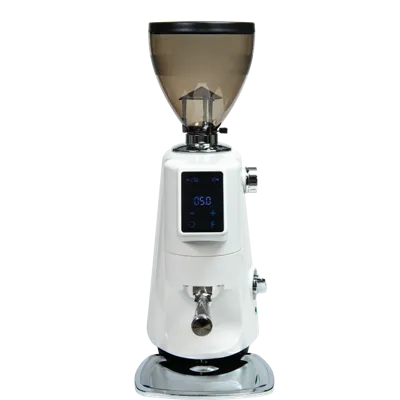
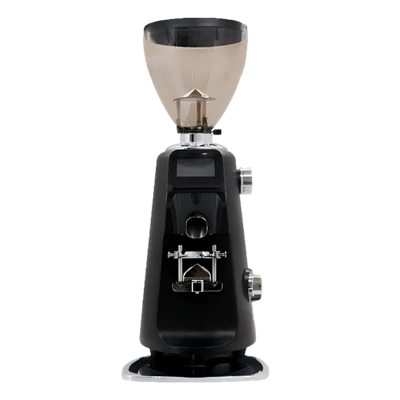
Commercial coffee grinder manufacturers said that after we understand the parameters of stainless steel, we should know about the main materials of our vacuum flasks. The poor stainless steel materials are weak in corrosion resistance, acid and alkali resistance. Concise and concise, the main material of the vacuum flask is good or bad. The reason is very simple, a good cup must be made of good stainless material, and good stainless steel is bound to increase costs. Commercial coffee grinder manufacturers said that many small factories, for example, they have no brand, no innovation, no scale, no market, then how to drink a cup in the highly competitive cup pot market, only cut corners, shoddy. Commercial coffee grinder manufacturers said that many small factories abuse 201 and other inferior steel, and even some unscrupulous traders use stainless steel to make vacuum flasks. If you are not a professional, it is difficult to judge the material of a vacuum flask from the appearance, which makes the illegal manufacturers have a place to stand, and ultimately infringe consumers. Commercial coffee grinder manufacturers said that the American Iron and Steel Institute uses three digits to mark various standard grades of malleable stainless steel.
1.Austenitic stainless steel is marked with numbers in the 200 and 300 series.
2.Ferritic and martensitic stainless steels are represented by numbers in the 400 series. According to commercial coffee grinder manufacturers, some of the more common austenitic stainless steels are marked with 201, 304, 316 and 310.
3.Ferritic stainless steel is marked with 430 and 446. Commercial coffee grinder manufacturers indicate that martensitic stainless steel is marked with 410, 420 and 440C, and two-phase (austenitic-ferritic).
4.stainless steel, precipitation hardened stainless steel and high alloys containing less than 50% iron are usually named after patent names or trademarks.