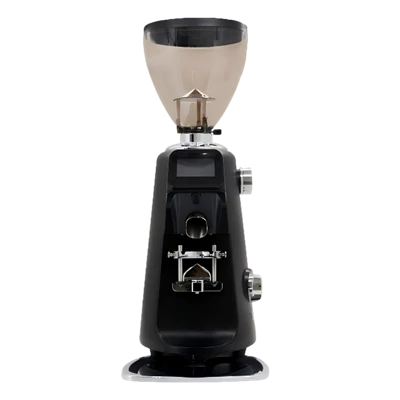
Coffee grinders, while essential tools for achieving the perfect cup of coffee, can sometimes encounter a range of issues that can impact their performance and the quality of your brew. Here are some common coffee grinder problems:
Coffee Ground Too Fine or Coarse: Improper grind consistency can lead to under-extraction or over-extraction, resulting in a bitter or weak cup of coffee. This issue can arise due to incorrect grind settings, misalignment of burrs, or inconsistent adjustment mechanisms.
Jammed Coffee Grinders: Beans can occasionally get stuck in the grinder's hopper or chute, causing the machine to jam. This can happen due to beans that are too oily, too large, or due to a clogged or worn-out burr set.
Overheated Coffee Grinders: Grinding coffee generates heat, and if the grinder becomes too hot during extended use, it can affect the flavor and aroma of the coffee. Overheating can also lead to premature wear and tear on the grinder's components.
Blunt Grinding Burrs: Over time, the burrs that do the grinding can become dull, resulting in inconsistent grind sizes and poor flavor extraction. Regular maintenance, including cleaning and burr replacement, can help prevent this issue.
Misaligned Grinder Burrs: If the burrs are not properly aligned, it can lead to uneven grinding and inconsistencies in particle size. This can occur due to improper assembly, wear and tear, or accidental damage.
More Troublesome Grinder Issues: Some advanced or complex grinders can experience additional problems such as motor failure, electronic malfunctions, or issues with the adjustment mechanisms. These issues might require professional repair or replacement parts.
Addressing these common coffee grinder problems may require different solutions:
Regular Maintenance: Cleaning your grinder regularly and following the manufacturer's maintenance guidelines can prevent issues like jamming, dull burrs, and misalignment.
Proper Bean Selection: Use beans with a suitable moisture level to prevent jamming and clogging. Extremely oily or flavored beans can be problematic.
Correct Grind Settings: Ensure you're using the appropriate grind settings for your brewing method. Adjust the settings gradually to find the right balance.
Cooling Breaks: If you're grinding a large quantity of coffee, give your grinder short cooling breaks to prevent overheating.
Professional Servicing: For more complex problems or technical issues, it's advisable to consult the manufacturer's support or a professional technician.
By understanding and addressing these common coffee grinder problems, you can maintain the quality of your grinder's performance and enjoy consistently exceptional cups of coffee.