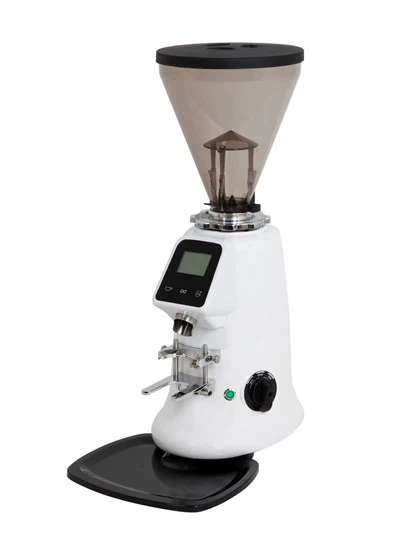
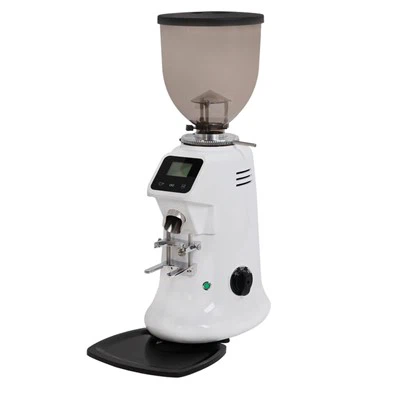
What is Electric Coffee Grinder
There are certainly some benefits to electric grinders that can't be ignored. One of the biggest advantages of electric grinders is speed. With just the push of a button, you can grind your beans in a matter of seconds. This can be especially appealing if you're in a hurry or need to make a lot of coffee at once.
Benefits of Electric Coffee Grinder
Speed and Convenience:With the push of a button, electric grinders make quick work of your beans. They're perfect for busy mornings when you need a caffeine fix, pronto.
Versatile Grinding Options:Many electric grinders come with multiple grind settings, making it easy to switch between espresso, drip, and French press brewing methods quickly.
Large Capacity:Electric grinders generally have a larger hopper size, which means you can grind more beans in one go. This is especially handy when entertaining guests or for the insatiable coffee enthusiast.
Consistent Coarse Grinds:Electric burr grinders can produce uniform coarse grinds, making them a good choice for those who enjoy French press, cold brew, or other coarser-grind brewing methods.
Grind-on-Demand:Some electric grinders have a grind-on-demand feature, which means the beans are ground directly into your portafilter or brewing device. This eliminates the need to transfer grounds from one container to another, reducing mess and preserving freshness.
Why Choose Us
Customer Service
We earn your respect by delivering on time and on budget. We built our reputation on exceptional customer service. Discover the difference it makes.
Expertise and Experience
Our team of experts have years of experience in delivering high quality services to our clients. We hire only the best professionals who have a proven track record of delivering exceptional results.
Quality Assurance
We have a rigorous quality assurance process in place to ensure that all our services meet the highest standards of quality. Our team of quality analysts checks each project thoroughly before it is delivered to the client.
State-of-the-art Technology
We use the latest technology and tools to deliver high quality services. Our team is well-versed in the latest trends and advancements in technology and uses them to provide the best results.
Competitive Pricing
We offer competitive pricing for our services without compromising on quality. Our prices are transparent, and we do not believe in hidden charges or fees.
Customer Satisfaction
We are committed to delivering high quality services that exceed our clients' expectations. We strive to ensure that our clients are satisfied with our services and work closely with them to ensure their needs are met.
Grinding your own coffee beans helps you bring the cafe experience home. It helps make your morning cup taste fresher and allows you to customize the grind size for different brewing methods. Coffee grinders are available in a few different types and sizes, so you should be able to find something that matches your preferences. Learn how to use a coffee grinder so you can experience the possibilities the world of at-home coffee has to offer.
Does using a coffee grinder make a difference
Yes. By grinding beans at home, you limit their exposure to oxygen which means you're using the freshest grounds possible. Plus, you can adjust grind size for brew methods like French press, pour over or espresso. Freshly ground beans will help create coffee with a richer flavor and aroma.
Freshly ground coffee can have a more robust flavor because the grounds start oxidizing immediately, a process that drains flavor from the beans. Pre-ground coffee is also typically prepared for the drip method only.
How do coffee grinders work
There are two basic types of coffee grinders: burr and blade. Burr grinders crush beans through force and blade grinders cut them with sharp blades. While both can lead to a delicious cup of coffee, burr grinders are often preferred for their ability to create exceptionally uniform grounds. Both types are common as electric models, while most manual models use the burr method. Read on for step-by-step instructions on how to use a burr and blade coffee grinder.
How to use a coffee grinder
Before you start exploring all your fresh-ground coffee options, browse your owner's manual for instructions on how to use your grinder properly. It may also have recommendations on grind size and amount. Here are some general steps for using a coffee grinder to help elevate every morning.
Step 1: Add coffee to your grinder
Pour whole beans into your grinder. Blade grinders tend to hold enough beans for a standard pot and will grind all the beans at once. Burr grinders, on the other hand, can usually hold large amounts at once in a hopper above the burrs. You'll and only grind the amount you need as the grinder feeds your selected amount of beans through the burrs.
Step 2: Select the grind size
If you have a burr grinder, you'll likely be able select different grind sizes, from extra coarse to extra fine. If you have a blade grinder, you can still modify the grind size by grinding for a shorter or longer period of time.
Step 3: Select the coffee dose
A burr grinder should let you select how many cups of coffee or shots of espresso you want to make. The blade grinder, on the other hand, will chop up anything you put in it, so it may take some experimenting to find the right amount of beans to add for your brew. Letting grounds sit in your grinder can cause them to get stale and may affect the flavor of your next batch, so it's important to only grind what you will use immediately.
Step 4: Grind the beans
A burr grinder should begin grinding with just the push of a button, whereas a blade grinder will likely require you to hold down a button so you can control how fine the grind becomes. If you're working with a blade grinder, pulse for a bit then stop and shake the grinder to help create more uniform grounds.
A coffee grinder is a key component in the process of making a perfect cup of coffee. It plays a crucial role in ensuring the taste and quality of the final brew. Coffee grinders work by reducing roasted coffee beans into smaller particles, which significantly affects the extraction process and, ultimately, the taste of the coffee.
The surface area of the coffee bean particles is directly influenced by the grinding process. The larger the surface area of the coffee grounds, the more exposure they have to water during extraction. This results in the extraction of the essential oils and flavors contained within the coffee beans. The right balance between the surface area and extraction time is critical for achieving the desired taste and coffee strength.
In addition to grinder type, the choice of grind size greatly impacts the coffee's taste. Coarser grinds are best suited for French press and/or cold brew, while very fine grinds are optimal for espresso, and others. Adjusting the grind size allows for experimentation with different brewing methods and desired flavor profiles.
Stale coffee grounds can also detract from the taste and quality of the brew. Grinding beans immediately prior brewing to make sure maximum freshness, as coffee grounds quickly lose their volatile oils and aroma when exposed to air. Grinding only the amount needed for each brew minimizes waste and maintains optimal flavor.
In summary, a coffee grinder is a critical tool in achieving a great-tasting cup of coffee. The factors that affect taste and quality include the type of grinder, grind consistency, grind size, and the freshness of the grounds. Mastery of these elements will lead to an enjoyable, high-quality coffee experience.

Coffee Grinder Cleaning Tips
By following these coffee grinder cleaning tips, you can ensure that your grinder remains in optimal condition, providing you with fresh and flavorful coffee every time.
Do not use rice in burr grinders. While rice is often recommended for cleaning blade coffee grinders, it cannot be used on burr coffee grinders. The small, hard grains of rice can get stuck in the burrs or other components, leading to potential damage or clogs. Instead, opt for other cleaning methods specifically designed for burr coffee grinders.
Do not submerge the grinder. Coffee grinders should never be submerged in water or any other liquid. The electrical components and the motor can be damaged, rendering the grinder useless. Instead, carefully remove any removable parts and clean them separately using appropriate cleaning methods.
Avoid using harsh chemicals. Harsh chemicals, such as bleach or other cleaning agents, should not be used to clean coffee grinders. These chemicals can corrode your unit and leave behind residue or odors that can affect the taste of your coffee. Stick to mild, food-safe cleaning solutions or specialized coffee grinder cleaning products.
Do not reassemble the grinder while it's still wet. After cleaning the grinder, make sure all the parts are completely dry before reassembling it. Moisture can lead to rusting, mold, or mildew growth, affecting the grinder's performance and potentially contaminating your coffee. Allow all parts to air dry thoroughly or use a clean, dry cloth to ensure they are moisture-free.
Avoid using sharp objects to clean the unit. When cleaning a coffee grinder, never use sharp objects, such as knives or metal skewers, to remove coffee residue or clogs. These objects can scratch or damage the grinder's components, affecting its functionality. Instead, use soft brushes or specialized cleaning tools designed for coffee grinders to gently remove any buildup.
Coffee grinders - why they are important
Freshly ground coffee at home and a basic understanding of grinding coffee correctly can greatly improve coffee flavour and enjoyment.
Why freshly ground coffee is best
Coffee beans are ground to allow the flavour to be extracted from the bean in water to provide a cup of coffee. The freshness, size and quality of grind have a significant effect on how a coffee will taste. As soon as a coffee bean is ground, the flavour will start to dull down as the coffee particles come into contact with air. Freshly ground coffee smells amazing too.
Coffee grind size effects flavour
Selecting the correct grind size can prove a challenging and frustrating task but grinding fresh and to the correct size makes a huge difference. This is because as the coffee comes into contact with water, different flavour types come out at different times. First, you get acidic, sharp flavours, at the end you get increasing bitter flavours and hiding somewhere in the middle are the juicy sweet joyous flavours we all love.
The correct extraction of coffee is determined by how long the water is in contact with the coffee and how much of the coffee is actually in contact with the water. This is determined by the size of the ground coffee particles. A correctly extracted cup of coffee, where the coffee has met the water for the right amount of time, will taste sweet and delicious. Under extracted coffee will taste salty or sour and over-extracted coffee will taste bitter or burnt. By tweaking grind size and tasting your coffee you should be able to "dial in" your grinder and grind size to produce great coffee.
How to select the correct coffee grind size
How we brew coffee and how long the water is in contact with the grinds will determine the specific size of grind you need. For an immersion brew such as a cafetiere where the coffee will sit in the water for 4 minutes, you need a very coarse grind to extract the flavour slowly. If you put in a very finely ground espresso coffee into a cafetiere, the small particles, with a high surface area, will over-extract and however wonderful the coffee you have bought is, it will taste very bitter. Similarly an espresso machine, where water is in contact with the coffee for a very short time, approximately 30 seconds or less, you need a very finely ground coffee to obtain a rich sweet taste. With too coarse a grind, the water will rush through, under extracting the coffee and producing a drink which at best will taste of lemon juice but at worst will taste very sour and salty. Not nice at all.
So, as a rule of thumb, if you brew a coffee at home and its tasting slightly bitter, you may have the grind a bit too fine. For example on the scale of 1-10 fine-course settings, if you ground at a 5, next time you grind you'll need to grind at a 6 and see if this tastes better. Similarly, if your last cup of coffee was just a bit too sharp and acidic for your taste, try a slightly finer grind.
Buying whole beans and grinding them correctly just before you brew is the easiest way to improve your enjoyment of freshly brewed coffee and the smell of freshly ground coffee is truly one of life's great pleasures.
Why Your Grinder is the Most Important Piece of Coffee Gear
For all of its proposed benefits, coffee is a relatively simple process. For one there are only two ingredients, coffee and water. In addition, brewing coffee can be as easy as pressing a few buttons or slightly more involved if you prefer a manual brewing method like a pour-our or French press. Regardless of your choice of brewing method, the most important piece of coffee equipment isn't the actual brewing device itself. No, the most important piece of coffee brewing equipment is a coffee grinder. Yes, that loud and possibly obnoxious device that wakes everyone up in the morning while seemingly pulverizing your coffee beans into brown dust.
So why is a coffee grinder so important
The main reason is consistency. A consistent grind is important for ensuring your coffee tastes great every morning. There's a term in coffee that we use called coffee extraction, which is important in the brewing process. Coffee extraction occurs when you pour hot water over ground coffee beans, which dissolves a lot of the coffees flavor. Using a cheap coffee grinder can make it difficult to consistently grind your coffee beans and result in either under-extracted coffee or over-extracted coffee.
Under-extracted coffee occurs when too little of this coffee flavor we'll call it makes its way into your cup. The result is a coffee that is lacking in character and often tastes sour, lacks sweetness, and has a quick finish (no nice lingering coffee flavor on your palette.
Over-extracted coffee occurs when too much of the coffee flavor makes its way into your cup and is often the result of grinding coffee beans too finely. Over-extracted coffee is typically bitter and astringent, obviously not characteristics people are looking for in a good cup of coffee.
So how does a good coffee grinder solve these problems
Quality coffee grinders not only have better blades to ensure a more even grind, but they also have the ability to grind to more exact specifications. This does two things. For one, it makes it so that your coffee can be ground evenly and to the same size that you're looking for. It also gives you the ability to adjust your grind size to your brewing method, which helps you achieve optimal extraction.
We're all familiar with the hustle and bustle in the morning before work. Most of us settle for cheap, bitter coffee in a to-go cup before hitting the road. Or maybe you quickly heat up yesterday's coffee. Either way, you deserve better. We professionally grind coffee with a burr grinder, so you don't have to invest in an expensive purchase.
Why Should You Grind
Coffee has many compounds that impact its flavor, which can vanish quickly when left out for too long. When you grind your coffee right before you brew, you ensure that these compounds stay intact for a longer period of time, so the overall taste of your coffee will improve. The amount you grind your coffee changes its flavor. If you grind your beans too finely, your coffee will taste acerbic. If you want a coarse grind, it's recommended that you use a French press or a percolator. For a medium grind, use a flat-bottomed drip coffee maker, and for a fine grind, conical drip coffee makers are more effective.
Burr Grinder versus Blade Grinder
It's true the type of grinder you use on your beans will determine the taste and quality of your coffee. A burr grinder can be used manually or electronically and will crush your beans with less frictional heating, using abrasive elements called burrs, which are similar to wheels. This process will more effectively release the coffee's natural oils, providing the coffee with a richer flavor. On the other hand, a blade grinder trades in these abrasive elements for a blade within the center of the grinder used to chop up the beans. Most professional coffee connoisseurs will opt for the more expensive burr grinder because it has proven to produce a superior product.
Whichever grinder you choose, know that the quality of your coffee beans will improve. We use it often for grinding coffee that later becomes Nitro Cold Brew on tap. We also use a high volume grinder for all our drips and our house cold brew coffee. And other times, we use an espresso grinder that needs to be adjusted daily depending on humidity and temperature outside. Having a professional in charge of grinding these beans means that you're receiving the highest level of quality coffee can offer.
We are a professional manufacturer and exporter that is concerned with the design, development, and production of coffee grinders. We are located in Shaoxing City, with convenient transportation access. All of our products comply with international quality standards and are greatly appreciated in a variety of different markets throughout the world., with all the burrs' size Φ50, Φ64, Φ74, Φ83 from Italy.

Certificate

FAQ
Hot Tags: commercial espresso electric coffee grinder, China, manufacturers, suppliers, factory, wholesale, custom, 83mm Flat Burr Coffee Espresso Grinder, Flat Burr Espresso Grinders, cafe equipment coffee grinder, Flat Burr Espresso Grinder, flat burr home coffee grinder, ODM commercial grinder